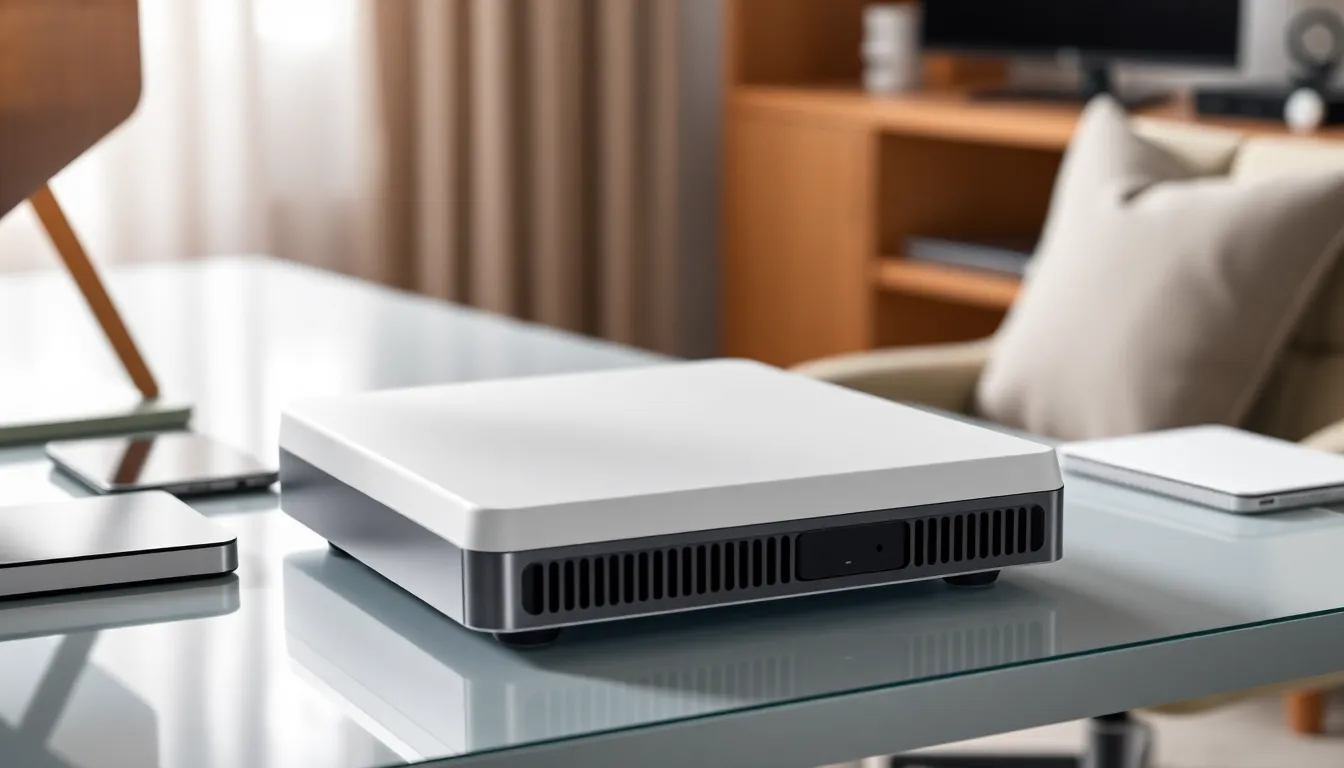
In today’s fast-paced digital world, mini PCs are carving out a niche that’s hard to ignore. These compact powerhouses pack impressive performance into a small form factor, making them ideal for home offices, gaming setups, and even media centers. With advancements in technology, mini PCs have evolved to handle everything from everyday tasks to demanding applications, proving that size doesn’t always dictate capability.
As more people seek efficient solutions for their computing needs, mini PCs offer a blend of versatility and portability. They’re perfect for those who want to declutter their workspace without sacrificing power. Whether it’s for casual browsing or intensive gaming, mini PCs deliver an impressive computing experience that fits seamlessly into any environment. Exploring the benefits and features of mini PCs reveals why they’re becoming an essential tool for modern users.
Overview Of Mini PCs
Mini PCs represent a significant advancement in computing technology, merging size with performance. Their small form factor typically ranges from the size of a paperback book to a small desktop. Mini PCs possess capabilities comparable to traditional desktops, making them suitable for diverse applications.
Key Features of Mini PCs
- Compact Design: Mini PCs feature reduced dimensions, allowing easy integration into any workspace.
- Energy Efficiency: Their design often translates to lower power consumption, promoting eco-friendly computing.
- Enhanced Performance: Many mini PCs utilize powerful processors, like Intel Core i5 or AMD Ryzen 5, delivering strong performance for multitasking.
- Upgrade Options: Users can often upgrade memory and storage components, providing flexibility for future needs.
Applications of Mini PCs
- Home Office: Mini PCs serve as efficient workstations, providing the necessary computing power for tasks such as document creation and video conferencing.
- Gaming: Some mini PCs offer advanced graphics capability, allowing users to enjoy gaming experiences typically reserved for larger systems.
- Media Centers: Mini PCs can act as media hubs, supporting streaming and gaming with high-definition output.
Popular Brands and Models
A few renowned brands producing mini PCs include:
- Intel NUC Series: Known for customization and enhancement options.
- ASUS VivoMini: Offers a balance of performance and compactness.
- GIGABYTE Brix: Provides powerful setups in small packages.
Mini PCs have emerged as versatile and practical solutions for a range of users, streamlining both functionality and aesthetics in various computing environments.
Advantages Of Mini PCs
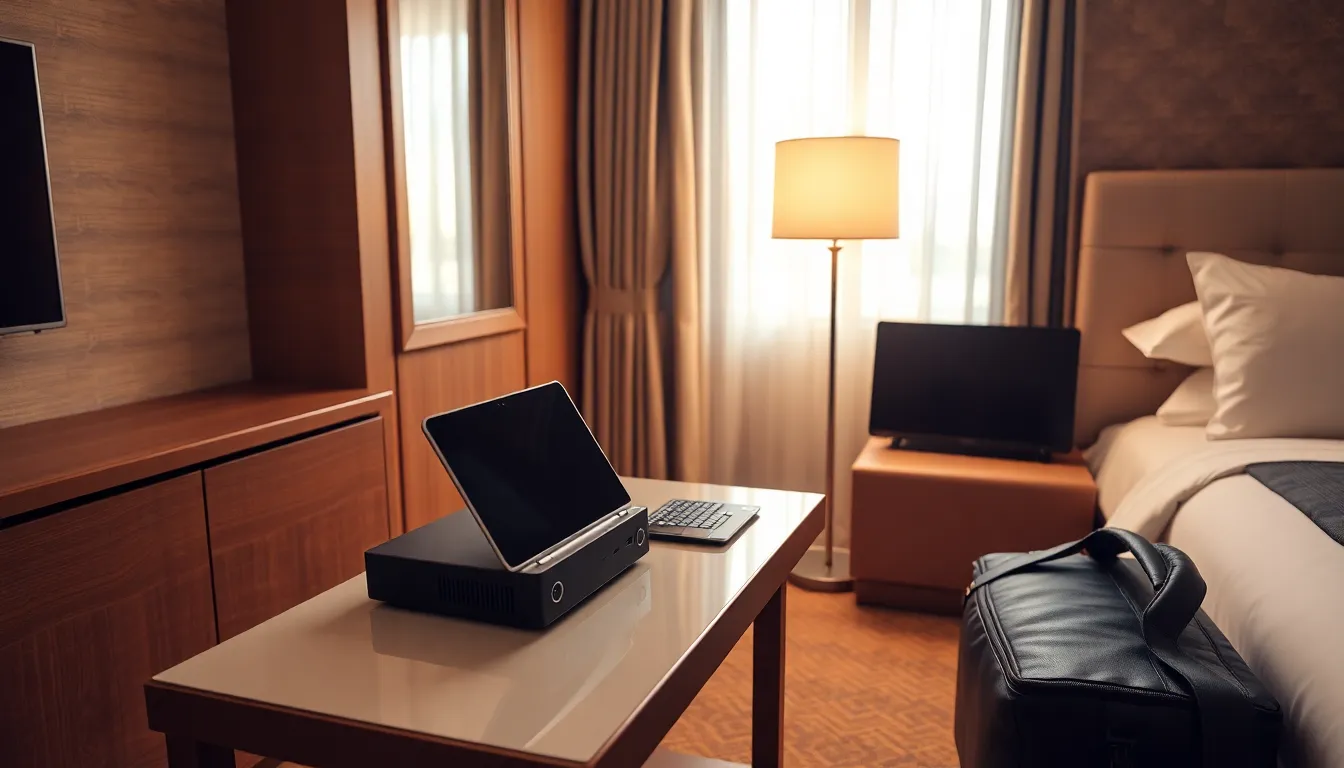
Mini PCs offer several significant advantages that cater to the needs of modern users. Their compact design and efficient performance make them ideal for a variety of applications.
Portability
Portability stands out as a key benefit of mini PCs. Weighing between 1 to 5 pounds, many models easily fit into bags or carry-ons, allowing users to take computing power anywhere. Mini PCs can function in tight spaces such as small desks, hotel rooms, or shared workspaces. Users can set them up quickly, eliminating the need for bulky setups and allowing seamless transitions between locations.
Energy Efficiency
Energy efficiency plays an important role in the appeal of mini PCs. Consuming between 10 to 30 watts, these devices use significantly less power than traditional desktops, which often draw 100 watts or more. This reduced energy consumption not only lowers electricity bills but also minimizes the environmental impact. Many mini PCs incorporate energy-saving components, like solid-state drives and low-voltage processors, which enhance their eco-friendly profile without compromising performance.
Key Features To Consider
When considering a mini PC, specific features play a critical role in determining its suitability for individual needs. Performance specifications and connectivity options serve as two essential categories to evaluate.
Performance Specifications
Performance specifications dictate a mini PC’s capability and functionality. Key elements include processor type, RAM size, and storage capacity.
- Processor Type: Mini PCs frequently feature modern processors, such as Intel Core i5, i7, or AMD Ryzen 5, ensuring adequate power for multitasking and demanding applications.
- RAM Size: Most mini PCs offer a minimum of 8 GB RAM, with some models supporting up to 32 GB for enhanced multitasking efficiency.
- Storage Capacity: Common configurations include Solid State Drives (SSDs) ranging from 256 GB to 2 TB, providing a balance of speed and storage space for applications and files.
Powerful performance specifications ensure smooth operation across gaming, work, and media tasks.
Connectivity Options
Connectivity options significantly impact a mini PC’s versatility and usability. Essential aspects to consider include ports, wireless connectivity, and upgrade capabilities.
- Ports: Typical mini PCs come equipped with multiple USB ports (USB 3.0 or 3.1), HDMI or DisplayPort for video output, and Ethernet ports. Some models even offer Thunderbolt compatibility for higher data transfer speeds.
- Wireless Connectivity: Integrated Wi-Fi (802.11ac or Wi-Fi 6) and Bluetooth (5.0 or higher) enable seamless connections to networks and peripherals, enhancing the overall user experience.
- Upgrade Capabilities: Many mini PCs allow users to upgrade RAM and storage, ensuring performance longevity as needs evolve.
Comprehensive connectivity options provide users the flexibility to connect various devices and peripherals, enhancing productivity and functionality.
Popular Mini PCs On The Market
Numerous mini PCs dominate the market today, each offering unique features and excellent performance. Understanding the strengths of various brands helps users find the ideal mini PC for their specific needs.
Brand A Mini PCs
Brand A mini PCs are recognized for their robust build quality and versatile performance. Models from this brand commonly feature Intel Core i5 or i7 processors, providing significant power for multitasking and gaming.
| Model | Processor | RAM | Storage | Price Range |
|---|---|---|---|---|
| Model A1 | Intel Core i5 | 8 GB | 512 GB SSD | $400 – $600 |
| Model A2 | Intel Core i7 | 16 GB | 1 TB SSD | $700 – $900 |
| Model A3 | Intel Core i5 | 32 GB | 2 TB SSD | $1,200 – $1,500 |
Many users appreciate the sleek design and compact size, making them ideal for home offices or media centers. Additionally, they often include advanced connectivity options, such as multiple USB-C ports and HDMI output, enhancing usability.
Brand B Mini PCs
Brand B mini PCs emphasize energy efficiency and portability. With lightweight designs that often weigh under 3 pounds, these devices are perfect for users who travel frequently.
| Model | Processor | RAM | Storage | Price Range |
|---|---|---|---|---|
| Model B1 | AMD Ryzen 5 | 8 GB | 256 GB SSD | $300 – $500 |
| Model B2 | AMD Ryzen 7 | 16 GB | 1 TB SSD | $600 – $800 |
| Model B3 | AMD Ryzen 7 | 32 GB | 2 TB SSD | $1,000 – $1,200 |
Their energy consumption typically ranges from 10 to 25 watts, making them eco-friendly without sacrificing performance. Brand B models include integrated Wi-Fi and Bluetooth capabilities, ensuring seamless connections for various peripherals and networks.
Mini PCs represent a significant shift in computing, combining power and portability in a compact form. Their versatility makes them ideal for a range of applications, from home offices to gaming setups. Users appreciate the energy efficiency and upgrade options that allow these devices to meet evolving needs without sacrificing performance.
As technology continues to advance, mini PCs are likely to become even more integral to modern computing. With numerous brands and models available, there’s a mini PC to fit every user’s requirements. Embracing this technology can lead to enhanced productivity and a more organized workspace, making mini PCs a smart choice for anyone looking to optimize their computing experience.